Tech & HR Insights
Details.

Explore the latest developments in AI-driven recruitment,
technical assessment technologies, and the future of
bias-free hiring across global engineering teams.
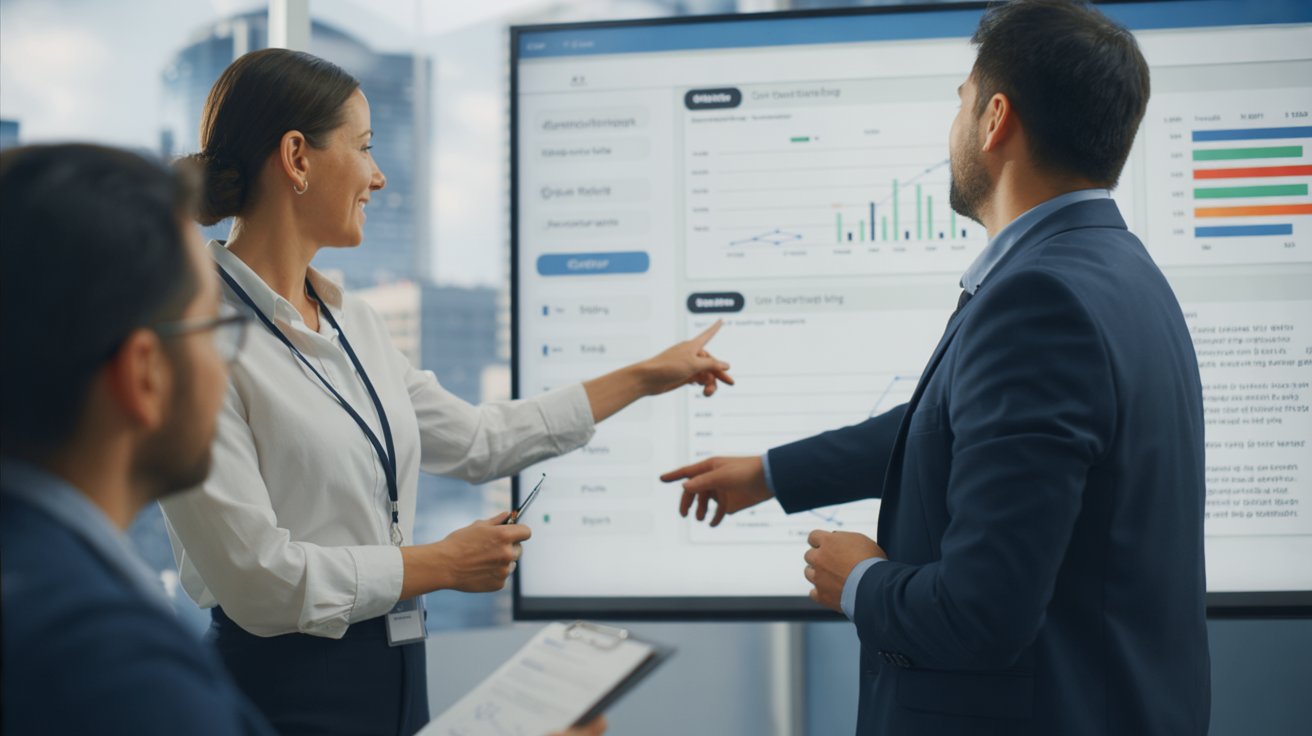
The Future of Technical Recruitment: How AI and Real-World IDE Assessments Are Transforming Engineering Hiring in 2025
As we navigate through 2025, the landscape of technical recruitment is undergoing a revolutionary transformation. Traditional resume-based hiring and static coding tests are being replaced by AI-driven assessment platforms that evaluate candidates through real-world IDE environments. Qalentis stands at the forefront of this evolution, combining advanced artificial intelligence with practical coding assessments to eliminate bias and identify top-tier engineering talent.
The technology sector, particularly in software development, DevOps, cloud engineering, and data science, is experiencing unprecedented growth. Companies across fintech, healthcare, e-commerce, and enterprise software are racing to build high-performance engineering teams. However, the challenge isn't just finding candidates—it's identifying the right talent objectively, efficiently, and at scale.
Why AI-Powered Technical Assessments Matter
-
Eliminate Human Bias – AI evaluates candidates based purely on technical logic, code efficiency, and problem-solving skills, removing unconscious bias related to gender, age, background, or location.
-
Real-World Skill Evaluation – Dynamic IDE assessments simulate actual work environments, testing candidates' ability to write, debug, and optimize code in real-time rather than memorizing syntax.
-
Scale Globally – Assess candidates from 30+ countries simultaneously, identifying top 1% talent regardless of geographic boundaries or time zones.
-
Reduce Time-to-Hire – What used to take weeks of manual screening now happens in hours, with automated merit ranking delivering instant shortlists.
Emerging Technologies Shaping Technical Recruitment
1.Large Language Models (LLMs) in Assessment Generation

Advanced AI models like GPT-4, Claude, and specialized coding LLMs are revolutionizing how technical assessments are created. Qalentis leverages these models to generate unique, role-specific exam sets from a single prompt. For example, entering "Senior Python Developer" instantly creates assessments covering Django frameworks, async programming, database optimization, and API design—all tailored to the specific requirements of the role.
The power of LLMs extends beyond question generation. They analyze candidate responses in real-time, evaluating code quality, logic flow, and best practices. This eliminates the need for manual code review in initial screening stages, allowing HR teams to focus on cultural fit and team dynamics rather than technical validation.
2.Secure Proctoring & Anti-Cheat Technology
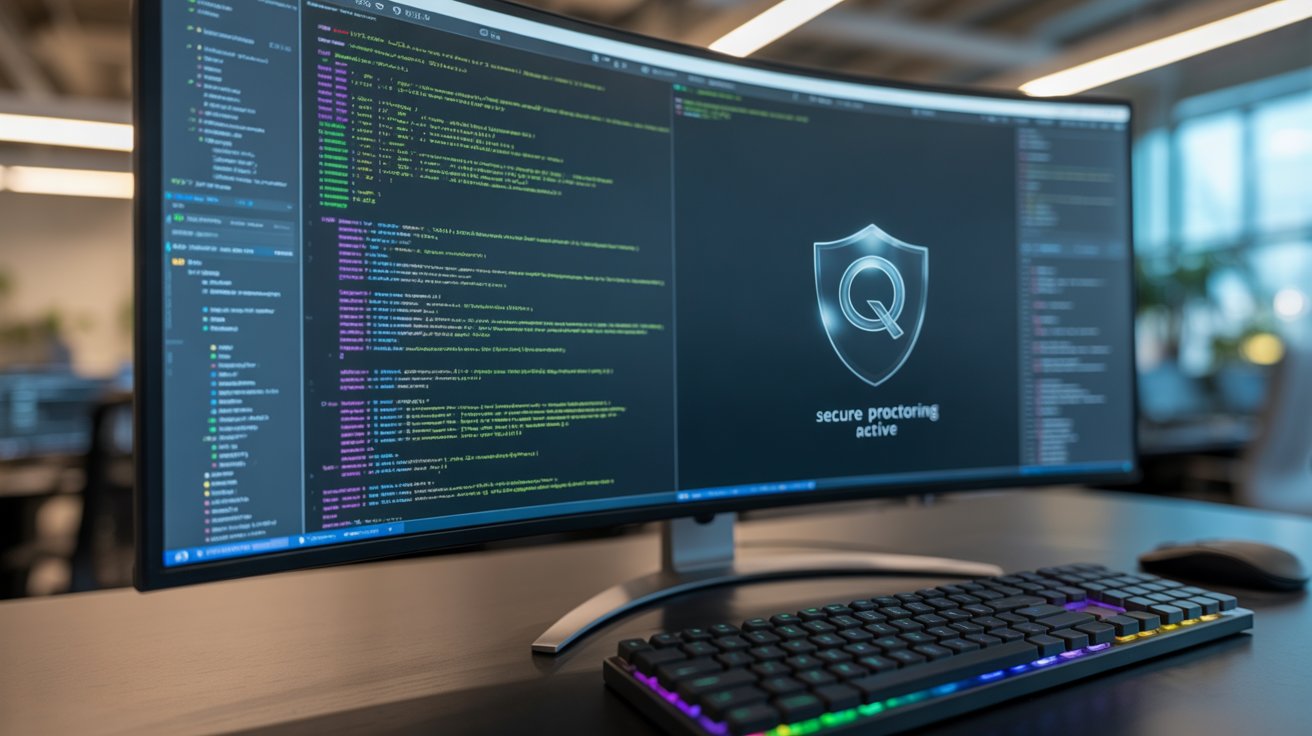
Remote hiring has become the standard, but it brings challenges around assessment integrity. Qalentis's Smart Proctoring Suite monitors browser tabs, camera feeds, audio, and coding behavior patterns in real-time. Machine learning algorithms detect suspicious activities such as copy-paste attempts, window switching, or unusual typing patterns, ensuring 100% secure assessments.
The technology goes beyond traditional proctoring. Behavioral analysis tracks coding rhythm, problem-solving approach, and solution patterns. This not only prevents cheating but also provides insights into a candidate's genuine problem-solving methodology—valuable data that traditional interviews cannot capture.
3.Key Sectors Driving Demand
Several industries are leading the adoption of AI-driven technical assessments:
FinTech & Banking: Companies building payment systems, blockchain solutions, and trading platforms require developers with deep expertise in security, performance optimization, and real-time processing. Qalentis's assessments evaluate these specific skills through scenario-based challenges.
Healthcare Technology: Healthtech companies need engineers who understand HIPAA compliance, data privacy, and medical device integration. Our platform generates assessments that test both technical skills and domain-specific knowledge.
E-Commerce & SaaS: Scalability, microservices architecture, and API design are critical. Qalentis creates assessments that mirror real-world challenges like handling traffic spikes, database sharding, and distributed system design.
Cloud & DevOps: With AWS, Azure, and GCP dominating infrastructure, assessments now include containerization, CI/CD pipelines, infrastructure-as-code, and cloud-native architecture patterns.
Conclusion
The future of technical recruitment lies in the seamless integration of AI, real-world assessment environments, and objective merit-based evaluation. As companies compete for top engineering talent globally, platforms like Qalentis are not just tools—they're strategic advantages. By eliminating bias, reducing time-to-hire, and identifying genuine technical excellence, we're helping organizations build engineering teams that drive innovation and growth. The question isn't whether AI will transform recruitment; it's whether your organization is ready to embrace this transformation.
- AI Recruitment
- Technical Assessment
- IDE Testing